

The global energy transition represents the most significant shift in human civilization since the industrial revolution first began. For many decades, the world relied almost exclusively on fossil fuels like coal, oil, and natural gas to power every aspect of modern life.
This traditional model of energy production created massive economic growth but also left behind a legacy of environmental damage and finite resource depletion. However, the emergence of advanced renewable technologies now offers a revolutionary way to generate clean, limitless power for every person on earth.
This transition represents a monumental shift from destructive extraction to a harmonious and high-performance ecosystem based on the natural forces of our planet. We are entering an era where solar rays, wind currents, and thermal heat serve as the primary foundations for a sustainable and resilient global society.
This innovation addresses the critical challenge of climate stability by providing a clear and actionable path to total carbon neutrality without sacrificing our standard of living.
By mastering the art of renewable energy, we can transform our infrastructure into a self-sustaining fortress that protects both the economy and the environment. This article explores the most effective and proven green technologies while optimizing your understanding of how to build a cleaner future for everyone.
The Dominance of Advanced Solar Photovoltaics

Solar energy has evolved from expensive laboratory experiments into the cheapest and most accessible form of electricity available in the modern world. Today’s high-efficiency panels can capture sunlight even on cloudy days, turning every rooftop into a personal power plant for the homeowner.
I believe that “decentralized energy generation” is the best way to solve the problem of rising utility costs and the vulnerability of the central power grid.
You solve the problem of high monthly bills by investing in a system that pays for itself through energy savings and government incentives within a few short years. This perspective turns your home into an independent energy producer that remains unaffected by the volatile prices of the traditional fossil fuel market.
A. Monocrystalline Silicon Efficiency
These panels represent the gold standard of solar technology because they offer the highest conversion rates and occupy the least amount of space on your roof. They use a single crystal structure to allow electrons more room to flow, which maximizes the amount of electricity you get from every hour of sunlight.
B. Bifacial Solar Module Innovation
Bifacial panels can collect sunlight from both the front and the back by capturing light that reflects off the ground or nearby surfaces. This design increases the total energy yield by up to thirty percent, making them perfect for commercial installations or snowy environments.
C. Integrated Solar Shingles and Glass
Instead of mounting heavy panels on top of your roof, you can now use building materials that actually generate power themselves. Solar shingles look like traditional tiles but act as a protective barrier and a clean energy source for your entire household.
Harnessing Wind Power for Industrial Scale
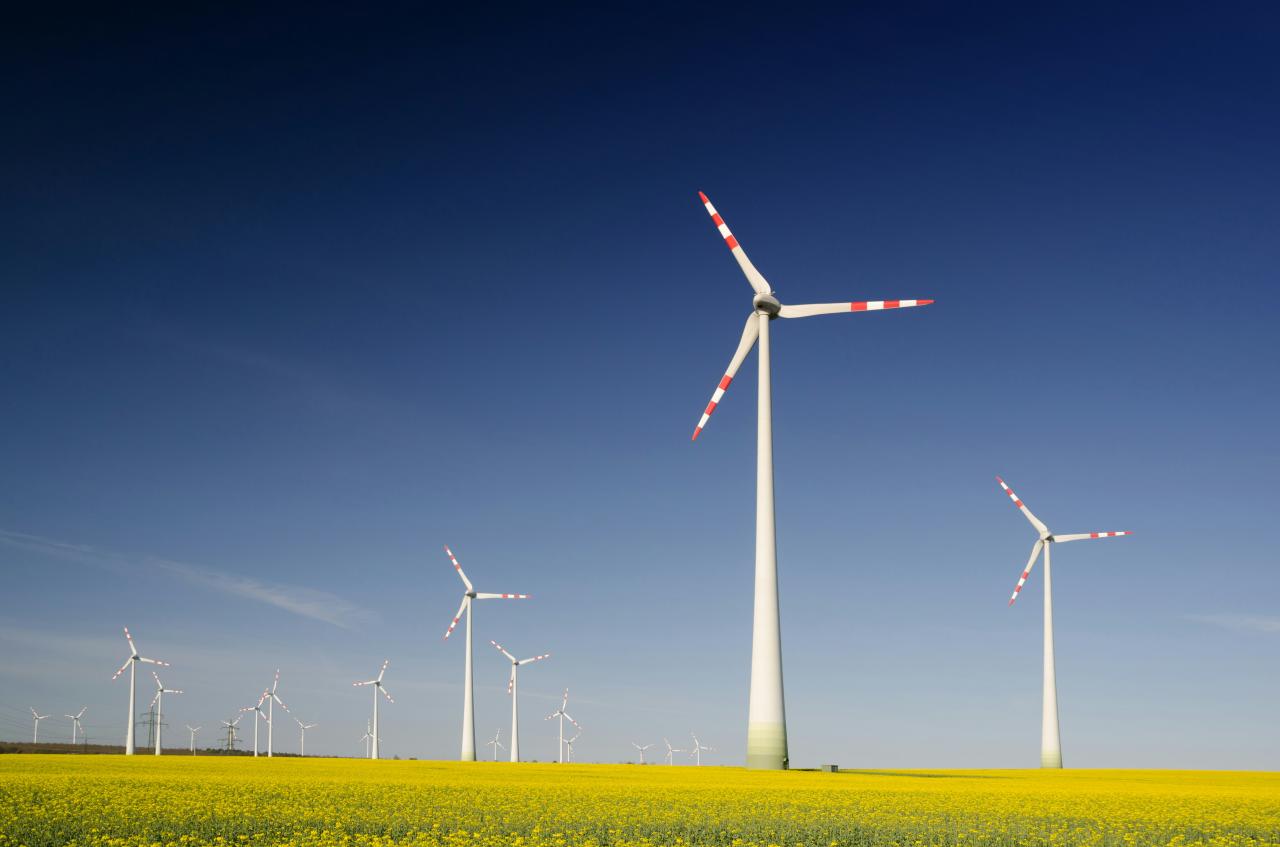
Wind turbines have become the giants of the renewable world, providing massive amounts of carbon-free electricity to entire cities and industrial zones. Modern engineering allows these turbines to operate at lower wind speeds while producing less noise and taking up minimal space on the ground below.
My new perspective is that “offshore wind expansion” is the secret to solving the problem of land-use conflicts and the visual impact of traditional wind farms.
You solve the problem of energy density by placing massive turbines in the ocean where the wind is stronger and more consistent than it is on land. This perspective ensures that we can power heavy industry and large metropolitan areas without encroaching on valuable agricultural or residential land.
A. Vertical Axis Wind Turbines (VAWT)
These compact turbines can capture wind from any direction without needing a complex orientation system to face the breeze. Their smaller footprint makes them ideal for urban environments or areas where traditional horizontal turbines would be too large or intrusive.
B. Offshore Floating Wind Platforms
Engineers are now building platforms that float in deep water, allowing us to capture the incredibly powerful winds found far out at sea. These systems use advanced mooring cables to stay in place, opening up vast new territories for clean energy production.
C. Smart Blade Technology and Sensors
Modern turbines use AI to adjust the angle of their blades in real-time to catch the most wind while minimizing the mechanical stress on the machine. This technology extends the life of the turbine and ensures that it operates at peak efficiency even during turbulent weather conditions.
The Role of Green Hydrogen in Energy Storage
Green hydrogen is often called the “Swiss Army Knife” of the energy transition because it can store renewable power and fuel heavy transportation. By using excess solar or wind energy to split water molecules, we can create a clean gas that replaces coal in steel making and diesel in shipping.
I suggest that “molecular energy storage” is the ultimate tool for solving the problem of renewable intermittency when the sun isn’t shining.
You solve the problem of long-term storage by turning electricity into a physical fuel that you can transport through existing pipelines or store in massive underground tanks. This perspective provides a vital link between the power grid and heavy industries that are otherwise very difficult to electrify.
A. Electrolyzer Technology Advances
The heart of green hydrogen production is the electrolyzer, which uses electricity to separate hydrogen from oxygen in common water. New materials are making these machines cheaper and more durable, which is essential for making green hydrogen competitive with natural gas.
B. Hydrogen Fuel Cell Vehicles
For heavy-duty trucks and buses, hydrogen fuel cells offer a lightweight alternative to heavy batteries, providing long range and fast refueling times. This technology allows the transportation sector to move away from oil without the long downtime required for charging large electric batteries.
C. Industrial Decarbonization Applications
Many industrial processes require high heat that electricity alone cannot easily provide, making hydrogen the perfect clean substitute. Using hydrogen in chemical plants and refineries prevents the release of millions of tons of carbon dioxide while maintaining high industrial output.
Tapping into the Earth’s Geothermal Heat
Geothermal energy provides a constant, reliable source of “baseload” power by tapping into the natural heat generated by the Earth’s core. Unlike solar or wind, geothermal plants run twenty-four hours a day, providing a steady stream of electricity regardless of the weather or time of day.
I believe that “geothermal heat pumps” are the best way to solve the problem of home heating and cooling in extreme climates without using gas.
You solve the problem of seasonal energy spikes by using the stable temperature of the ground to keep your indoor environment comfortable all year long. This perspective treats the ground beneath your feet as a massive thermal battery that you can tap into for free, forever.
A. Enhanced Geothermal Systems (EGS)
New drilling techniques allow us to create geothermal reservoirs in areas where there is no natural water or steam near the surface. By injecting water into hot rocks, we can create a man-made geothermal loop that brings clean energy to almost any location on the planet.
B. Binary Cycle Power Plants
These plants can generate electricity from lower-temperature water by using it to boil a secondary fluid with a much lower boiling point. This innovation allows us to use geothermal energy in many more places than the traditional “hot springs” regions.
C. Direct Use Geothermal Heating
In many cities, geothermal water is pumped directly into buildings to provide heat for homes, greenhouses, and industrial drying processes. This is an incredibly efficient use of energy because it avoids the losses associated with converting heat into electricity and back again.
Marine and Tidal Energy Innovation
The movement of the tides and the waves in our oceans represents a massive, untapped source of predictable and powerful renewable energy. Tidal energy is especially valuable because it follows the gravitational pull of the moon, making it the most predictable renewable source in existence.
My perspective is that “oceanic kinetic capture” is the secret to solving the problem of energy security for coastal communities and island nations. You solve the problem of high import costs for fuel by utilizing the natural movement of the water that surrounds your territory.
This perspective turns the vast power of the ocean into a reliable and local energy source that requires no fuel and produces no waste.
A. Tidal Stream Generators
These underwater turbines act like wind turbines but use the much denser flow of water to generate significantly more power from a smaller device. Because water is nearly 800 times denser than air, even a slow-moving tide can produce a massive amount of clean electricity.
B. Wave Energy Converters (WEC)
Different designs, such as “point absorbers” and “oscillating water columns,” capture the energy from the rising and falling of waves. These machines are built to withstand the harshest ocean conditions while providing a constant stream of power to the grid.
C. Ocean Thermal Energy Conversion (OTEC)
This technology uses the temperature difference between the warm surface water and the cold deep water to run a power cycle. OTEC provides a steady supply of electricity while also producing fresh desalinated water as a valuable byproduct for coastal populations.
Revolutionizing Energy Storage and Battery Tech
To build a world powered by renewables, we need better ways to store energy so it is available whenever we need to turn on the lights. Modern battery technology is moving beyond lithium-ion to include flow batteries and solid-state designs that are safer and last much longer.
I suggest that “multi-layered storage” is the ultimate tool for solving the problem of short-term and seasonal energy gaps in the grid.
You solve the problem of the “duck curve” by using household batteries for daily use and large-scale pumped hydro or thermal storage for longer periods. This perspective ensures that your renewable energy system is as reliable as the old coal plants ever were, without the pollution.
A. Solid-State Battery Breakthroughs
These batteries replace the liquid electrolyte with a solid material, making them much less likely to catch fire and allowing for faster charging. They also hold more energy in a smaller space, which is critical for the next generation of long-range electric vehicles.
B. Vanadium Flow Battery Systems
Flow batteries store energy in large tanks of liquid, making them perfect for large-scale grid storage because they do not degrade over thousands of cycles. This technology can provide backup power for entire neighborhoods for days at a time without losing its storage capacity.
C. Gravity and Compressed Air Storage
Some systems store energy by lifting heavy weights or compressing air in underground caverns when renewable power is plentiful. When energy is needed, the weights are dropped or the air is released to spin turbines, providing a mechanical solution to energy storage.
Conclusion

Green energy represents a decisive breakthrough for our planet, replacing outdated fossil fuels with innovative clean plans and renewable tools that ensure a sustainable victory for everyone.
By integrating sun tracking and wind power into our digital flows, you can effectively eliminate carbon-related stress and environmental risks while benefiting from lower costs and healthier air.
Taking immediate action to adopt these nature-driven innovations allows you to reclaim your time, grow your personal wealth, and secure a safer future through efficiency and smart energy solutions.
The path to a successful and high-performance lifestyle is clear when you use the planet as your primary edge to fuel rapid growth and achieve ultimate freedom starting today.

