


The preservation of our planet’s biological integrity has moved from a niche concern to a global industrial priority. For decades, the expansion of urban centers and heavy manufacturing left behind a trail of chemical pollutants that traditional cleaning methods simply cannot handle.
Advanced bioremediation represents a breakthrough in environmental science by utilizing the natural metabolic processes of living organisms to neutralize these hazardous substances.
Instead of just moving contaminated soil from one location to another, this technology transforms toxic chemicals into harmless byproducts like water and carbon dioxide. It is a regenerative approach that works in harmony with the local ecology to restore life to dead zones.
As we face increasing pressure to clean up industrial sites and protected habitats, these biological strategies offer a cost-effective and sustainable path forward.
This article explores the cutting-edge techniques that define modern restoration, from the use of specialized microbes to the deployment of deep-rooted plants. By understanding these natural mechanisms, we can better implement solutions that permanently heal the Earth’s most damaged environments.
The Mechanics of Microbial Degradation
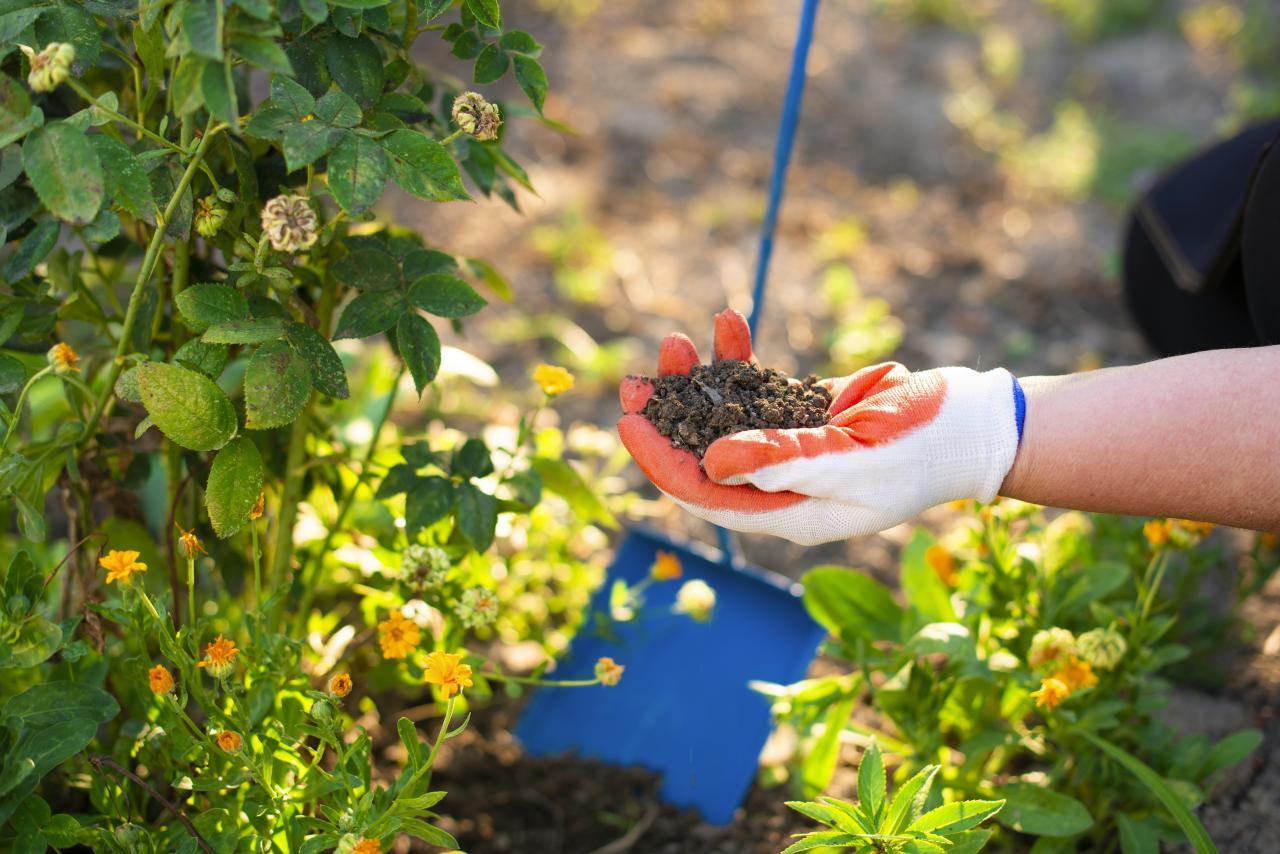
Microbes are the invisible engineers of the natural world, capable of consuming substances that would be fatal to larger animals. In the context of bioremediation, scientists identify and cultivate specific strains of bacteria and fungi that have evolved to eat oil, plastic, or chemical solvents.






This process often involves stimulating these native populations by providing the specific nutrients they need to grow rapidly. When the right conditions are met, these microorganisms act as a microscopic cleaning crew that works around the clock.
A. Aerobic Biodegradation Processes
In oxygen-rich environments, aerobic bacteria use oxygen to break down organic contaminants into simpler, non-toxic molecules. This is the most common form of bioremediation used for treating fuel spills in surface soils. It is highly efficient and leaves behind very little residual waste.
B. Anaerobic Metabolism for Deep Contamination
When pollutants sink deep into the groundwater where oxygen is scarce, anaerobic microbes take over the work. These organisms use alternative chemical reactions to strip away toxins like chlorinated solvents. This method is essential for cleaning up industrial sites where chemicals have leached deep underground.
C. Bioaugmentation and Microbial Inoculation
Sometimes the local microbial population is too weak to handle a massive spill on its own. Bioaugmentation involves introducing lab-grown “super-strains” that are specifically designed to target a particular pollutant. This jumpstarts the restoration process and ensures the most stubborn chemicals are fully neutralized.
Phytoremediation: The Power of Green Restoration
Phytoremediation is the use of living plants to clean up soil, air, and water contaminated with hazardous chemicals. Certain plant species, known as hyperaccumulators, have the incredible ability to suck up heavy metals through their roots and store them in their leaves.
This method is not only effective but also aesthetically pleasing, as it turns a toxic wasteland into a thriving green space during the cleaning process. It is a long-term strategy that requires patience but offers the most permanent results for large-scale land restoration.
A. Phytoextraction of Heavy Metals
In this process, plants absorb metals like lead, arsenic, or mercury from the soil and concentrate them in their upper stems. Once the plants have matured, they are harvested and safely disposed of, effectively removing the toxins from the site. This cycle is repeated until the soil reaches safe levels for future use.
B. Phytostabilization of Contaminants
Some plants are used to lock pollutants in place rather than removing them. Their root systems bind the soil so tightly that the toxins cannot wash away into the groundwater or blow away as dust. This is a vital technique for containing waste in mining areas where total removal is physically impossible.
C. Rhizodegradation and Root Interaction
The area immediately surrounding a plant’s roots, known as the rhizosphere, is a hotspot for microbial activity. Plants release natural sugars and enzymes that feed beneficial bacteria, which then break down complex organic pollutants. This partnership between the plant and the microbe is one of nature’s most effective cleaning systems.
Mycoremediation and Fungal Networks
Fungi are perhaps the most misunderstood organisms in the bioremediation toolkit. Their vast underground networks, called mycelium, produce powerful enzymes that can break down some of the toughest man-made chemicals, including pesticides and persistent plastics.
Mycoremediation is particularly useful for cleaning up contaminated wood or agricultural waste that is resistant to bacterial degradation. Fungi act as a bridge, breaking down complex structures so that other organisms can finish the job.
A. Enzymatic Breakdown of Complex Hydrocarbons
Fungi secrete extracellular enzymes that “digest” their food outside of their bodies. These enzymes are strong enough to dismantle the molecular chains found in crude oil and various industrial dyes. This makes fungi an excellent choice for treating soil around former oil refineries.
B. Biosorption of Radioactive Isotopes
Certain species of mushrooms have shown a remarkable ability to absorb radioactive elements from the environment. After the Chernobyl disaster, researchers found that specific fungi were thriving by absorbing the radiation. This opens up new possibilities for cleaning up nuclear waste sites using natural biological filters.
C. Filtration of Water via Mycomembranes
Mycelium can be grown into dense mats that act as natural filters for contaminated water. As water passes through the mat, the fungi trap pathogens and chemical residues, leaving behind much cleaner liquid. These biological filters are being tested for use in urban runoff systems to protect local rivers.
Bioelectrochemical Systems for Water Treatment
One of the newest frontiers in environmental science is the marriage of biology and electricity. Bioelectrochemical systems (BES) use the power of bacteria to generate small electrical currents while they clean wastewater.
This technology turns a sewage treatment plant into a miniature power plant, reducing the overall energy cost of environmental restoration. It is a highly efficient way to manage nitrogen and phosphorus runoff from agricultural areas before it reaches the ocean.
A. Microbial Fuel Cells (MFCs)
In an MFC, bacteria donate electrons to an electrode as they consume organic matter in the water. This process simultaneously cleans the water and produces usable electricity. It is a perfect solution for remote areas that need water treatment but lack a stable power grid.
B. Microbial Electrolysis for Hydrogen Production
By adding a small amount of external power, these systems can be tweaked to produce pure hydrogen gas. This turns the waste treatment process into a source of clean energy for the future. It is a classic example of turning a liability—pollution—into a valuable asset.
C. Electrodialysis for Desalination
BES can also be used to remove salt from brackish water using very little energy. This is becoming increasingly important as freshwater resources become more scarce due to climate change. Biological desalination is a gentler, more sustainable alternative to high-pressure industrial systems.Shutterstock
Genetic Engineering and Synthetic Biology
As we understand the genetic code of microbes better, we can now “edit” them to be even more effective at bioremediation. Synthetic biology allows scientists to create organisms that can survive in extremely toxic environments where natural bacteria would die.
These “designer microbes” can be programmed to change color when they find a specific toxin, acting as living sensors for environmental monitoring. While this field is heavily regulated, it holds the potential to solve pollution problems that were previously thought to be permanent.
A. Genetically Modified Hyperaccumulators
Scientists are working to take the metal-absorbing genes from small weeds and put them into fast-growing trees like poplars or willows. This would allow for the cleaning of much larger areas in a fraction of the time. These “super-plants” could revolutionize the restoration of industrial landscapes.
B. Synthetic Metabolic Pathways
Researchers can now build entirely new chemical pathways inside a cell to degrade synthetic chemicals like PFAS. These “forever chemicals” do not break down in nature, but a specially engineered microbe might be the key to destroying them. This is the cutting edge of human-designed environmental protection.
C. Biological Biosensors for Real-Time Mapping
By linking a microbe’s “hunger” for a toxin to a fluorescent protein, scientists can create a glowing map of a spill. This allows cleanup crews to see exactly where the highest concentration of chemicals is located. It provides a level of precision that traditional soil sampling simply cannot match.
Impact of Nanotechnology in Bioremediation
Nanotechnology is being integrated with biological methods to create “nano-bioremediation.” This involves using microscopic particles of iron or silver to break down the heavy outer shell of a pollutant so that microbes can reach the core.
The nanoparticles act as a catalyst, speeding up the natural degradation process by a factor of ten or more. This combination of physical and biological science is particularly effective for cleaning up old gas stations and chemical storage sites.
A. Nano-Scale Zero-Valent Iron (nZVI)
These tiny iron particles are injected into the groundwater to react with chlorinated solvents. They strip away the chlorine atoms, making the chemical much easier for native bacteria to consume. It is a highly targeted way to treat deep plumes of contamination.
B. Carbon Nanotubes as Microbial Scaffolds
Providing a “home” for bacteria using carbon nanotubes allows them to grow in much higher densities. These scaffolds protect the microbes from harsh conditions and ensure they stay in the area where they are needed most. This increases the overall “horsepower” of a bioremediation project.
C. Nano-Enzyme Mimics
Scientists have created artificial nanoparticles that mimic the behavior of natural enzymes. These can be used in areas where living organisms cannot survive, such as highly acidic mining runoff. They provide a bridge that prepares the environment for the eventual return of biological life.
Policy and Economic Considerations
For advanced bioremediation to be successful, it must be supported by sound policy and economic incentives. Governments around the world are now offering tax breaks for companies that use green restoration methods instead of traditional “dig and dump” techniques.
The long-term savings of bioremediation are massive, as it eliminates the need for expensive hazardous waste transport and long-term monitoring. However, the regulatory process for new biological treatments can be slow, requiring a balance between safety and innovation.
A. Green Procurement Policies
Many cities are now requiring that any new construction on former industrial land must use sustainable restoration methods. This creates a steady market for bioremediation companies and drives down the cost of the technology for everyone.
B. Environmental Impact Credits
Companies that successfully restore a “brownfield” site can often earn credits that they can sell to other businesses. This market-based approach turns environmental cleaning into a profitable venture. It encourages private investment in a field that was once seen as a pure expense.
C. Public-Private Partnerships for Large Scale Cleanup
Restoring major river systems or entire coastal regions requires a level of funding that no single entity can provide. Collaborative efforts between governments and specialized biotech firms are becoming the standard model for massive ecosystem recovery.
Conclusion
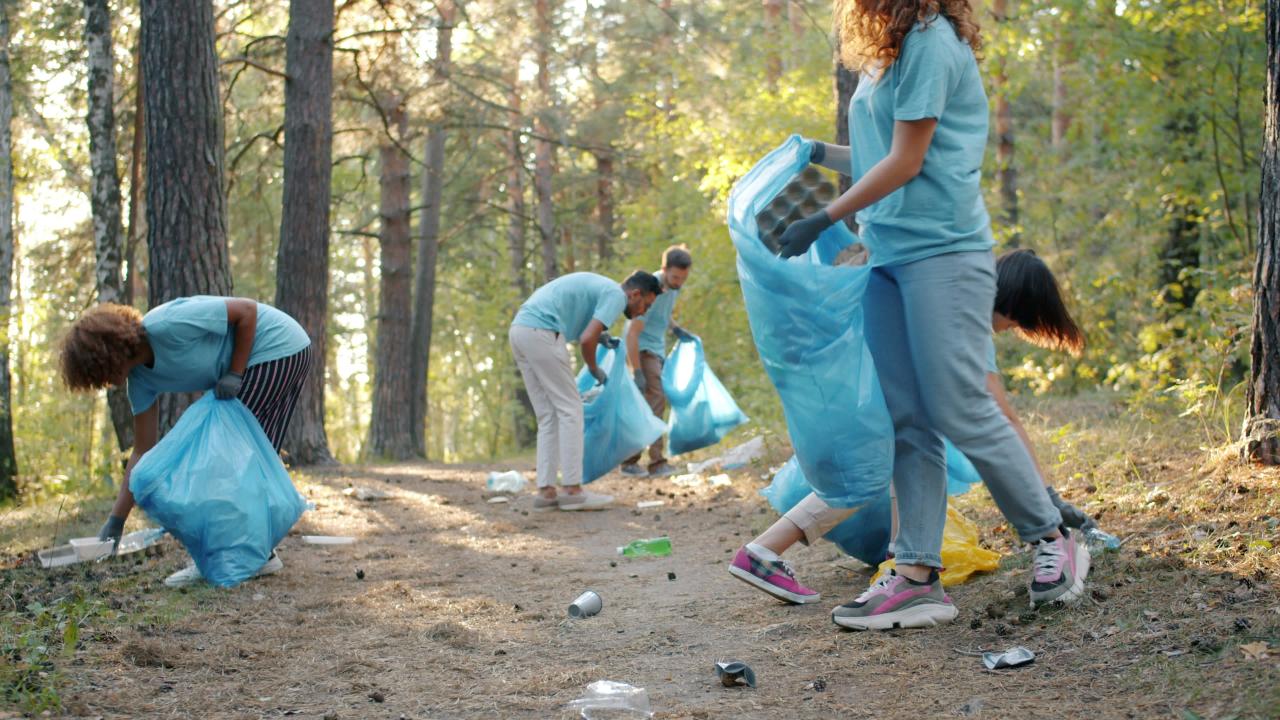
Advanced bioremediation is the most powerful tool we have for reversing environmental damage. Nature has already provided us with the basic building blocks for a cleaner world. We must continue to invest in the research of microbial and fungal metabolic processes.
The integration of technology and biology is the only way to handle man-made chemicals. Every restored ecosystem is a step toward a more sustainable and healthy future.
Patience is required because biological healing takes time to reach its full potential. The cost of doing nothing far outweighs the investment needed for these green solutions. Protecting our groundwater is perhaps the most critical application of these strategies today.
We have a moral responsibility to leave the Earth better than we found it for our children. The future of environmental science is not just about protection but about active healing.