
The human brain is often described as the most complex structure in the known universe, containing billions of neurons and trillions of synaptic connections that define our reality. For centuries, we have interacted with the world through the slow and physical limitations of our biological bodies—fingers on a keyboard, voices in a room, or eyes on a screen.
However, we are currently standing at the precipice of a monumental shift in human evolution where these physical barriers are beginning to dissolve. Brain-Computer Interfaces (BCI), once the stuff of cyberpunk novels and futuristic cinema, have moved into the realm of clinical reality in 2026. This technology aims to create a direct, high-bandwidth communication channel between the soft tissue of the human brain and the hard silicon of digital computers.
Companies like Neuralink, alongside many ambitious competitors and academic institutions, are pushing the limits of what it means to be connected. By bypassing the peripheral nervous system and muscles, these devices promise to restore autonomy to those with disabilities and eventually enhance the cognitive capabilities of healthy individuals.
This article will provide an exhaustive exploration of the current state of BCI technology, the technical hurdles of high-bandwidth data transmission, and the profound ethical questions that arise when we plug the human mind directly into the internet.
A. The Fundamentals of Neural Communication
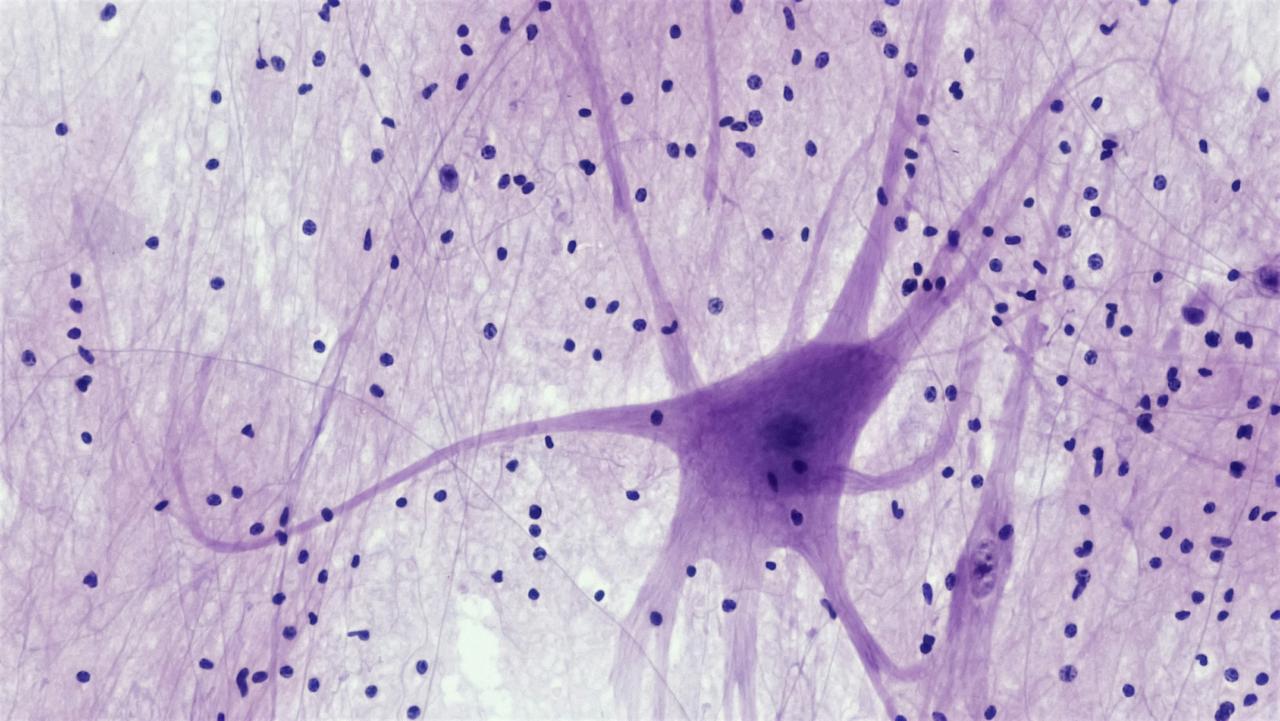
To understand how a BCI works, we must first appreciate the electrical nature of our thoughts. Every action, memory, and emotion is the result of neurons firing tiny electrical impulses called action potentials.
BCI devices are designed to detect these electrical signatures using microscopic electrodes placed near or inside the brain tissue. These sensors capture the raw data, which is then translated by sophisticated algorithms into digital commands.
A. Action potentials are the primary “data packets” used by the brain to transmit information between cells.






B. Electrodes can be non-invasive, such as EEG caps, or invasive, such as the “threads” used by Neuralink.
C. Signal-to-noise ratio is the biggest technical challenge, as the brain is a very “noisy” electrical environment.
D. Decoding involves using machine learning to map specific neural patterns to intended movements or thoughts.
E. Feedback loops allow the computer to send signals back to the brain, creating a true two-way conversation.
B. Neuralink’s Innovation: The Sewing Machine and the Threads
Neuralink has gained global attention for its “Threads” technology, which involves thousands of tiny, flexible electrodes that are thinner than a human hair. Traditional rigid electrodes often caused inflammation and scarring, but these flexible threads move with the brain’s natural pulsations.
To insert these threads with precision, Neuralink developed a specialized surgical robot. This robot acts like a high-precision sewing machine, avoiding blood vessels to prevent hemorrhaging during the implantation process.
A. Flexible threads reduce the “foreign body response,” allowing the implant to remain functional for much longer.
B. The N1 Link chip processes neural signals locally before transmitting them wirelessly to an external device.
C. Wireless charging via an external puck ensures that the user does not have a permanent wire protruding from their skull.
D. High-bandwidth refers to the ability to record from thousands of neurons simultaneously, rather than just a few dozen.
E. Scalability is built into the design, with the goal of eventually supporting tens of thousands of individual channels.
C. The Competitors: Stentrode and Synchron
While Neuralink focuses on invasive surgery, other companies like Synchron are taking a “less-is-more” approach. Their device, the Stentrode, is delivered through the blood vessels, similar to a heart stent.
This avoids the need for open-brain surgery, making it a much more accessible option for patients with severe paralysis. It sits in a blood vessel next to the motor cortex, picking up signals through the vessel wall.
A. The endovascular approach significantly reduces the risk of infection and traumatic brain injury.
B. Synchron has already successfully implanted devices in human patients, allowing them to send emails and browse the web.
C. While lower in bandwidth than Neuralink, the Stentrode is much easier to approve from a regulatory standpoint.
D. It focuses primarily on “intentionality,” such as detecting when a user wants to click a mouse or scroll a page.
E. This method proves that there are multiple paths to achieving a functional brain-to-computer link.
D. Restoring Motor Function and Autonomy
The most immediate and compassionate use for BCI technology is helping people with spinal cord injuries or ALS. By capturing the intent to move, the BCI can bypass the damaged nerves and send signals directly to a robotic limb or a computer cursor.
We have already seen early human trials where paralyzed individuals can play video games, use digital tablets, and even control exoskeletons. This isn’t just a gimmick; it is a profound restoration of human dignity and independence.
A. Motor imagery involves the user imagining a specific movement to trigger a digital action.
B. Re-innervation of muscles using BCI can potentially help some patients regain actual limb control over time.
C. Digital “assistive technology” allows BCI users to communicate through text-to-speech at conversational speeds.
D. Sensory feedback can be sent back to the brain, allowing a user to “feel” what a robotic hand is touching.
E. The goal is to make these devices so intuitive that they feel like a natural extension of the user’s body.
E. The Challenge of Neural Decoding and AI
Capturing the signal is only half the battle; the real magic happens in the software. Deciphering what a specific spark of electricity means requires massive amounts of data and advanced Artificial Intelligence.
The AI must learn the “language” of each individual user’s brain, which can change slightly over time due to neuroplasticity. This requires a constant calibration process where the software adapts to the user and the user adapts to the software.
A. Neural networks are used to filter out background “chatter” and focus on the signals that represent intent.
B. Large Language Models (LLMs) can help predict what a user wants to type based on incomplete neural signals.
C. Real-time processing is essential to prevent “latency,” which can make the interface feel sluggish and frustrating.
D. “Transfer learning” allows a BCI to use data from previous users to get a new user up and running faster.
E. The software must be secure from hacking, as the data being processed is the user’s literal thoughts.
F. High-Bandwidth: The Gateway to Cognitive Enhancement
While the medical applications are clear, the long-term vision for BCI involves “human enhancement.” This is the idea of increasing our memory capacity, processing speed, or even our ability to communicate with others.
If we can transmit data at the speed of thought, the need for language might eventually diminish. We could share complex ideas, images, and emotions directly from one mind to another, creating a “symbiosis” with AI.
A. Direct access to the internet could allow a user to “search” for information as if it were a native memory.
B. Collaborative thinking could allow teams of engineers or doctors to share a mental workspace in real-time.
C. Cognitive offloading would allow us to outsource complex math or data analysis to a connected AI.
D. Sensory expansion could allow humans to “see” in infrared or “hear” radio frequencies through the BCI.
E. The potential for “merging” with AI is seen by some as the only way for humans to stay relevant in an automated future.
G. Neuroethics: Privacy in the Mind
The prospect of a device that can read your thoughts raises terrifying privacy concerns. If a company owns the chip in your head, do they own the data generated by your neurons?
We need a new legal framework for “Neuro-rights” to protect individuals from mental surveillance. Without strict regulations, BCI technology could become the ultimate tool for corporate or governmental manipulation.
A. Mental privacy is the right to keep your subconscious thoughts and emotions private from third parties.
B. Cognitive liberty ensures that an individual has the right to refuse or accept neural modifications.
C. Psychological integrity prevents the “hijacking” of a person’s emotions or personality through a BCI.
D. Fairness and equity are concerns, as BCI could create a “super-class” of enhanced individuals.
E. The data stored in a BCI must be encrypted with the same intensity as our most sensitive financial records.
H. The Biocompatibility Battle

The human body is an incredibly hostile environment for electronics. The brain is salty, moist, and protected by an aggressive immune system that tries to attack anything “foreign.”
Over time, “gliosis” or scarring can build up around the electrodes, insulating them and cutting off the signal. Solving the biocompatibility problem is essential for creating a device that lasts for decades rather than just a few years.
A. Specialized coatings, such as hydrogels or conductive polymers, help the electrodes blend in with the tissue.
B. Miniaturization reduces the physical impact of the device on the surrounding neurons.
C. “Bio-mimetic” materials are being developed to trick the immune system into ignoring the implant.
D. Hermetic sealing prevents the salty brain fluids from corroding the delicate silicon circuits.
E. Chronic stability is the current “Holy Grail” of BCI research, ensuring a lifetime of reliable data.
I. Non-Invasive BCI: The Everyman’s Interface
For those who aren’t ready for surgery, non-invasive BCIs are improving at a rapid rate. Using EEG (electroencephalography) or fNIRS (near-infrared spectroscopy), these devices can read brain activity from outside the skull.
While the signal is much “fuzzier” than an implant, it is enough for gaming, focus tracking, and simple communication. As the sensors become more sensitive, the gap between invasive and non-invasive will slowly narrow.
A. EEG headbands are already being used for “brain-training” and meditation coaching in the consumer market.
B. Dry-sensor technology removes the need for messy gels, making BCI more practical for daily use.
C. “Neural ear-buds” are an emerging category that picks up brain signals through the ear canal.
D. Wearable BCIs are being integrated into VR and AR headsets to allow for more immersive “hands-free” control.
E. The signal quality of non-invasive devices is limited by the thick, insulating bone of the human skull.
J. BCI in the Gaming and Entertainment Industry
The gaming world is likely where healthy individuals will first encounter BCI technology. Imagine a horror game that detects your fear and adjusts the difficulty, or a strategy game where you command units with a thought.
BCI adds a layer of “biological immersion” that goes beyond what a traditional controller can offer. It creates a feedback loop between the player’s emotional state and the digital environment.
A. Empathy-driven storytelling can change the plot of a game based on the player’s real-time emotional reactions.
B. “Thought-based” mechanics allow for complex actions that would be impossible with just ten fingers.
C. BCI can track “Flow States,” helping gamers optimize their training and competitive performance.
D. Social gaming could allow players to share their “excitement levels” with friends during a match.
E. The entertainment industry sees BCI as the “final frontier” of interactive media and digital expression.
K. The Roadmap to Regulatory Approval
For any BCI to become a mainstream medical product, it must pass through rigorous FDA (Food and Drug Administration) testing. This process takes years and involves multiple phases of safety and efficacy trials.
Neuralink and Synchron have already begun the clinical trial journey, but the road to wide-scale availability is long. Each step ensures that the benefits of the technology far outweigh the risks of brain surgery and long-term implantation.
A. Phase I trials focus on safety and ensuring the device doesn’t cause immediate harm to the patient.
B. Phase II and III trials measure how effective the device is at actually helping the patient with their specific disability.
C. “Pioneers” are the courageous first human testers who help refine the hardware and software for everyone else.
D. Long-term monitoring is required to see how the brain reacts to the implant over five or ten years.
E. Global standardization of BCI protocols will be necessary for international medical adoption.
L. The Future: A Symbiotic Evolution
In the next twenty years, the line between “human” and “machine” will likely continue to blur. BCI technology is the bridge that will allow us to move into a new stage of intelligence.
Whether we use it to cure disease or to expand our minds, the BCI revolution is inevitable. We are the first generation with the power to redesign our own cognition, and the choices we make today will echo through the rest of human history.
A. The “Global Brain” concept suggests a future where all human minds are loosely connected through a neural network.
B. Intellectual evolution will no longer be limited by biological reproduction but by software updates.
C. BCI technology could eventually allow for the “backup” of a person’s memories and personality.
D. Telepathic communication could revolutionize how we collaborate, learn, and love.
E. The final goal of BCI is to unlock the full potential of the human spirit in a digital universe.
Conclusion
The development of high-bandwidth Brain-Computer Interfaces is transforming our fundamental understanding of the human mind.
We are witnessing the end of the era of physical isolation and the beginning of a truly connected species.
Invasive technologies like Neuralink provide the depth of data needed for complex, high-speed neural control.
Non-invasive alternatives are democratizing access to the brain, bringing mental control to the average consumer.
The medical community is already using these tools to restore hope and function to those with severe disabilities.
AI is the essential partner that translates the chaotic electrical storms of our neurons into clear digital actions.
We must remain vigilant about the privacy and ethical implications of opening our minds to external devices.
Biological hurdles like inflammation and scarring remain the primary technical enemies of long-term BCI success.
Gaming and entertainment will act as the testing grounds for the mainstream adoption of neural interfaces.
Regulatory bodies have the difficult task of balancing rapid innovation with the absolute safety of the human brain.
Our journey from biological organisms to symbiotic beings is the most exciting adventure in the history of life.