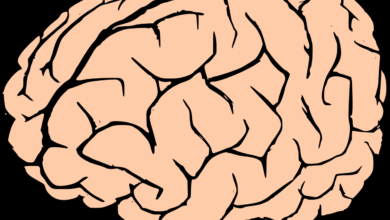


The human brain, an organ of astonishing complexity and capability, operates not merely through electrical impulses but through an intricate, dazzling chemical communication system where billions of nerve cells, or neurons, incessantly exchange vital messages across microscopic gaps known as synapses, orchestrating every thought, emotion, behavior, and physiological function.
At the heart of this entire communication network are the neurotransmitters, specialized endogenous chemicals that act as messengers, transmitting signals from one neuron to the next, thereby translating electrical activity into meaningful biological action that directly controls everything from basic heartbeat and breath to complex mood regulation and memory formation.
When this delicate chemical balance is disrupted—when certain neurotransmitters become deficient, overactive, or their receptors malfunction—the consequences are far-reaching and profound, often manifesting as severe mental health disorders, chronic physical pain, sleep disturbances, and a wide array of cognitive impairments that severely diminish quality of life.
Understanding the critical role of these chemical conductors and the mechanisms through which their imbalance affects the central nervous system is the first, crucial step toward developing targeted therapies and adopting proactive lifestyle choices that support optimal brain health and emotional equilibrium.
Pillar 1: The Fundamentals of Neurotransmission
Defining the key players and the process by which neurons communicate chemically.
A. The Basic Communication Process
The step-by-step mechanism of chemical signal transmission across the synapse.
-
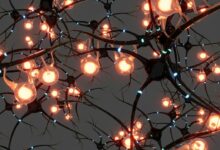
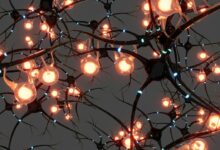
Synthesis and Storage: Neurotransmitters are first synthesized within the presynaptic neuron and stored in tiny sacs called vesicles, awaiting release.
-
-
Release and Crossing: When an electrical signal (action potential) arrives, the vesicles fuse with the cell membrane, releasing the neurotransmitters into the synaptic cleft.
-
Binding and Signaling: The molecules bind to specific receptor sites on the postsynaptic neuron, triggering an electrical or chemical change that either excites or inhibits the receiving neuron.





B. Excitatory vs. Inhibitory Roles
The fundamental functional dichotomy in neurotransmitter action.
-
Excitatory Neurotransmitters: These chemicals increase the likelihood that the postsynaptic neuron will fire an action potential, essentially pushing the “accelerator” button on neural activity (e.g., Glutamate).
-
Inhibitory Neurotransmitters: These chemicals decrease the likelihood that the postsynaptic neuron will fire, acting as the “brake” to calm and modulate excessive neural signaling (e.g., GABA).
-
Modulatory Neurotransmitters: Some neurotransmitters, like serotonin and dopamine, act as modulators, influencing the activity of many neurons across a wider brain region rather than just a single direct synapse.
C. Mechanisms of Imbalance
How the chemical balance can be disrupted, leading to neurological issues.
-
Deficient Synthesis: The brain may not produce enough of a specific neurotransmitter due to genetics, poor nutrition (lack of precursors), or chronic illness.
-
Receptor Malfunction: The receptors on the postsynaptic neuron may be damaged, desensitized, or insufficient in number, preventing the message from being received correctly.
-
Reuptake Issues: The natural process of reuptake (clearing the synapse) might be too fast or too slow, leaving too much or too little of the chemical in the cleft, causing signaling chaos.
Pillar 2: Key Neurotransmitters and Their Mood Roles
Exploring the specific functions of the most famous chemical messengers that dictate our emotions.
A. Serotonin (5-HT): The Happiness Stabilizer
Its pervasive role in mood, sleep, and overall well-being.
-
Mood Regulation: Serotonin is crucial for regulating mood, preventing anxiety, and promoting feelings of general well-being and contentment.
-
Physical Functions: Beyond mood, it heavily influences sleep cycles, appetite, and digestion (with much of the body’s serotonin residing in the gut).
-
Imbalance and Depression: Low levels of functional serotonin activity are famously associated with clinical depression, anxiety disorders, obsessive-compulsive disorder (OCD), and chronic fatigue.
B. Dopamine (DA): The Motivation and Reward Driver
The chemical of pleasure, focus, and movement.
-
Reward Pathway: Dopamine is the central currency of the brain’s reward pathway, released in anticipation of pleasure, driving motivation, craving, and goal-directed behavior.
-
Focus and Attention: It is critical for attention, concentration, and executive function, playing a major role in the symptoms and treatment of Attention-Deficit/Hyperactivity Disorder (ADHD).
-
Imbalance Consequences: Deficiency is linked to motor impairment (Parkinson’s disease) and lack of motivation, while excessive or dysregulated signaling is implicated in addiction and psychosis (e.g., Schizophrenia).
C. Norepinephrine (NE): The Alertness and Stress Controller
The neurotransmitter responsible for arousal and the “fight or flight” response.
-
Arousal and Vigilance: Norepinephrine (also known as Noradrenaline) maintains alertness, focus, and general arousal, preparing the body to react to environmental stimuli.
-
Stress Response: It is a key player in the sympathetic nervous system’s stress response, increasing heart rate, blood pressure, and readiness for action.
-
Dysregulation: Chronic overactivity (due to chronic stress) can lead to anxiety, hypertension, and insomnia, while deficiency may contribute to fatigue and low energy.
Pillar 3: Inhibitory and Excitatory Balance

The crucial interplay between two dominant neurotransmitters that determine neural stability.
A. GABA: The Primary Inhibitor
The brain’s natural calming agent and anti-anxiety compound.
-
Calming Effect: Gamma-aminobutyric acid (GABA) is the chief inhibitory neurotransmitter in the central nervous system, reducing nerve excitability and preventing over-stimulation.
-
Anxiety Relief: It plays a central role in controlling fear and anxiety, promoting mental relaxation and balanced emotional responses.
-
Clinical Significance: Low GABA activity is strongly associated with generalized anxiety disorder, panic attacks, chronic stress, and seizures; many anti-anxiety medications (like benzodiazepines) enhance GABA effects.
B. Glutamate: The Dominant Exciter
The chemical fundamental to learning and memory formation.
-
Synaptic Plasticity: Glutamate is the chief excitatory neurotransmitter, essential for Long-Term Potentiation (LTP)—the cellular mechanism underlying learning and memory formation.
-
Cognitive Function: It is necessary for optimal cognitive function, rapid information processing, and brain development.
-
Excitotoxicity Risk: Excessive Glutamate signaling can be dangerous, leading to “excitotoxicity” where neurons are over-stimulated and literally damaged or killed, implicated in stroke and neurodegenerative diseases.
C. Maintaining the Balance
The critical need for a stable equilibrium between these opposing forces.
-
Homeostasis: The brain strives for neurotransmitter homeostasis; the precise balance between GABA’s inhibitory effect and Glutamate’s excitatory effect is fundamental to preventing seizures, managing anxiety, and ensuring normal brain function.
-
Impact of Lifestyle: Factors like poor diet, chronic inflammation, or substance abuse can easily destabilize this delicate GABA/Glutamate balance, triggering neuropsychiatric symptoms.
-
Metabolic Precursors: Ensuring the body has enough nutritional precursors (like Glutamine for GABA synthesis) is a non-pharmacological way to support this essential balance.
Pillar 4: Neurotransmitter Imbalance and Illness
Specific health conditions that are deeply rooted in chemical communication failures.
A. Depression and Bipolar Disorder
Conditions characterized by severe dysregulation of monoamines.
-
The Monoamine Hypothesis: This long-standing theory posits that depression is linked to deficient levels of monoamines (Serotonin, Norepinephrine, and Dopamine) in the synaptic cleft.
-
SSRI Mechanism: Selective Serotonin Reuptake Inhibitors (SSRIs) work by blocking the reuptake of serotonin, thereby increasing its concentration and duration of action in the synapse, enhancing its signaling.
-
Bipolar Complexity: Bipolar disorder involves extreme shifts in mood (mania and depression), suggesting an imbalance where neurotransmitter activity swings from excessive (mania) to deficient (depression).
B. Anxiety and Sleep Disorders
How imbalances disrupt the brain’s natural ability to rest and calm itself.
-
Insomnia and NE: Overactive Norepinephrine signaling during the evening can prevent the transition to rest, leading to heightened alertness and chronic insomnia.
-
Anxiety and GABA: Chronic anxiety often correlates with poor functioning or low levels of GABA, leading to an inability to suppress the fear and worry circuits in the amygdala.
-
Melatonin Interaction: Melatonin, while a hormone, works closely with neurotransmitters to regulate the circadian rhythm; imbalances in serotonin (which is a precursor to melatonin) directly impair sleep initiation.
C. Neurodegenerative Diseases
Conditions where chemical failure leads to structural brain damage.
-
Parkinson’s Disease: This disease is characterized by the progressive death of dopamine-producing neurons in the substantia nigra, leading to severe motor symptoms (tremors, rigidity).
-
Alzheimer’s Disease: While complex, early changes often involve deficiencies in Acetylcholine, a neurotransmitter crucial for memory and muscle contraction; current drugs often aim to boost its activity.
-
Chronic Inflammation: Uncontrolled neurotransmitter activity (especially excitotoxicity from Glutamate) can trigger and sustain chronic neuroinflammation, which is a key driver in the progression of many neurodegenerative conditions.
Pillar 5: Restoring Balance Through Holistic Methods
Non-pharmacological strategies to naturally support optimal neurotransmitter function.
A. Nutrition and Precursor Intake
Providing the brain with the necessary building blocks for chemical synthesis.
-
Amino Acids: Ensure adequate intake of protein and specific amino acids (e.g., Tryptophan for Serotonin, Tyrosine for Dopamine and Norepinephrine) as these are the direct precursors for key neurotransmitters.
-
Vitamins and Minerals: B vitamins (especially B6, B9, B12) and Magnesium are vital cofactors, acting as the necessary helper molecules for the enzymatic conversion of amino acids into active neurotransmitters.
-
Gut Health: Maintain a healthy gut microbiome (through probiotics and fiber), as the gut produces a significant portion of the body’s serotonin and communicates directly with the brain via the vagus nerve.
B. Exercise and Sunlight Exposure
Harnessing natural stimuli to regulate brain chemistry.
-
Endorphin Release: Aerobic exercise triggers the release of endorphins (the body’s natural opioids) and, crucially, boosts Serotonin and Dopamine, providing both a mood lift and enhanced focus.
-
Neurogenesis: Regular physical activity, particularly intense exercise, promotes neurogenesis (the growth of new neurons), especially in the hippocampus, which improves mood regulation.
-
Vitamin D and Serotonin: Exposure to bright sunlight helps regulate the Serotonin synthesis pathway and is essential for Vitamin D production, which plays a modulatory role in brain function and mood.
C. Stress Management and Mindfulness
Protecting the brain from the corrosive effects of chronic stress hormones.
-
Cortisol Reduction: Techniques like mindfulness, deep breathing, and meditation are scientifically proven to reduce the chronic overflow of the stress hormone cortisol, which can damage neural receptors.
-
GABA Enhancement: These relaxation practices naturally increase GABA activity in the brain, promoting the inhibitory, calming state necessary to counter stress and anxiety.
-
Social Connection: Strong social bonds and emotional support trigger the release of oxytocin (the “bonding hormone”), which has an indirect but powerful inhibitory effect on the stress response and promotes overall mental resilience.
Conclusion: Empowering the Chemical Landscape

The health of the brain is inextricably linked to the precise equilibrium of its neurotransmitter systems, which function as the core chemical language of our emotional and cognitive life.
Understanding the process of chemical signaling across the synaptic cleft reveals that disruption can occur not just from chemical deficiency but also from failures in receptor function or reuptake efficiency.
Serotonin serves as the critical stabilizer of mood, appetite, and sleep, while dopamine drives the powerful systems of motivation, focus, and reward, defining our engagement with the world.
The delicate balance between the dominant inhibitory neurotransmitter, GABA, and the primary excitatory neurotransmitter, Glutamate, is fundamentally necessary for preventing anxiety, seizures, and neurotoxicity.
Psychiatric disorders like depression and anxiety are largely attributable to the dysregulation of these vital monoamine and amino acid systems, often requiring pharmacological intervention to restore stability.
Crucially, lifestyle choices—including adequate nutrition, regular physical exercise, and proactive stress management—provide non-pharmacological avenues to naturally optimize the synthesis and function of these brain chemicals.
By acknowledging the foundational role of these chemical messengers, individuals can move toward holistic, science-backed strategies that empower the brain’s chemical landscape, ensuring a more resilient mood and optimal long-term cognitive health.