

The dawn of the genomic era has fundamentally altered our approach to human health and the treatment of complex diseases. For decades, traditional medicine relied on a reactionary model where symptoms were treated only after they surfaced, often using a one-size-fits-all methodology that ignored individual biological differences.
Today, the rapid advancement of Next-Generation Sequencing (NGS) is moving us toward a future where medical intervention is personalized, predictive, and incredibly precise. By decoding the three billion base pairs of the human genome, scientists can now identify the specific genetic drivers behind rare conditions, chronic illnesses, and aggressive cancers.
This revolution is not just about understanding our past but about engineering a healthier future through targeted therapies and early diagnostic interventions. Precision medicine allows doctors to prescribe the right drug at the right dose for the right patient, drastically reducing the risk of adverse reactions.
As sequencing costs continue to plummet, this technology is becoming accessible to the general public, moving from high-end research labs into everyday clinical practice.
We are witnessing a shift where your DNA is no longer a mystery but a roadmap for a long and vibrant life. This article explores the transformative power of precision genomics and how it is redefining the very boundaries of modern healthcare.
The Mechanics of Modern Genome Sequencing
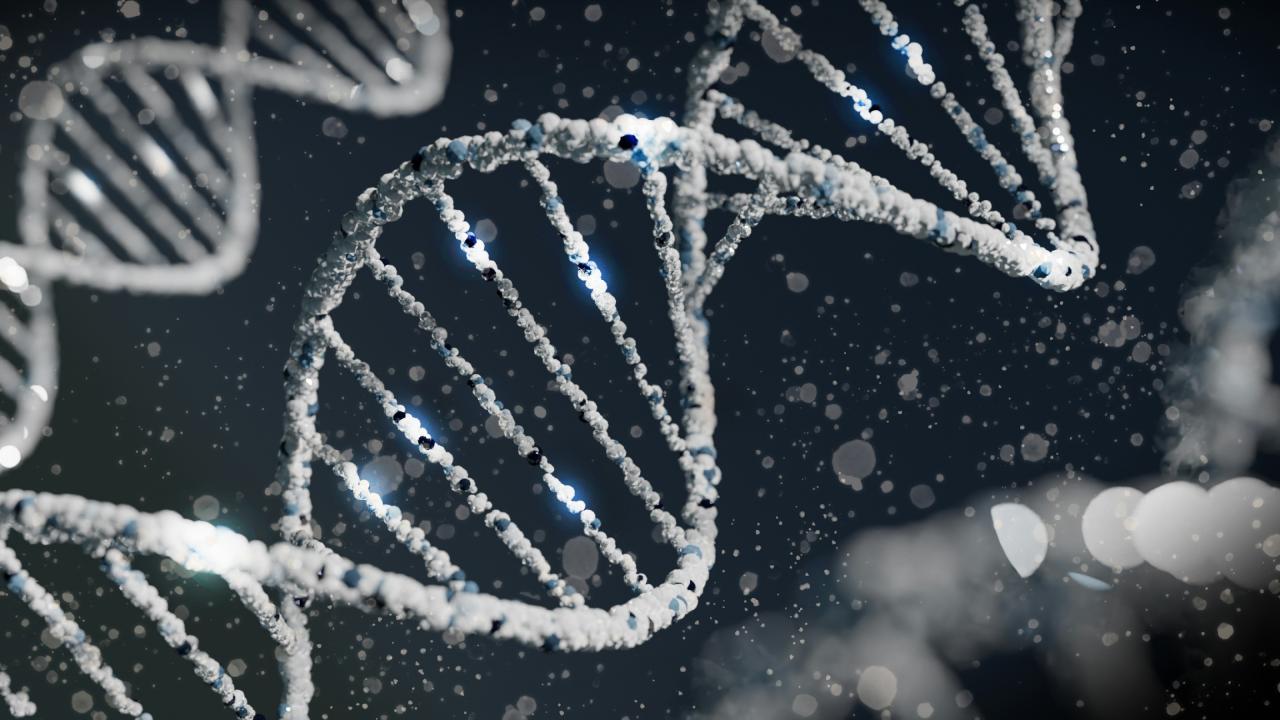
The process of reading human DNA has evolved from a decade-long multi-billion dollar project into a routine laboratory procedure. Modern sequencing platforms can now process massive amounts of genetic data in a matter of hours.

A. Next-Generation Sequencing (NGS) Platforms
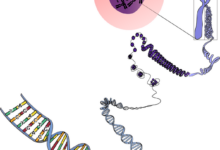
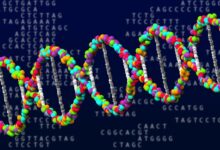
NGS technology works by breaking the DNA into millions of small fragments that are sequenced simultaneously in a massively parallel fashion. This high-throughput approach allows for the entire human genome to be read with incredible speed and accuracy. The data generated provides a comprehensive view of an individual’s genetic landscape, identifying both common variations and rare mutations.
B. Bioinformatics and Data Interpretation
Raw genetic data is useless without the sophisticated software needed to interpret the millions of chemical codes. Bioinformatics specialists use complex algorithms to compare a patient’s sequence against a reference genome to find significant anomalies. These digital tools filter out “noise” to focus on the specific variants that actually impact a person’s health or disease risk.
C. Whole Genome vs. Exome Sequencing
While whole genome sequencing reads every part of the DNA, exome sequencing focuses only on the protein-coding regions where most known mutations occur. Choosing the right level of depth depends on the clinical necessity and the specific symptoms the patient is presenting. Both methods provide vital clues that help clinicians solve medical mysteries that were previously unsolvable.
Personalizing Treatment Through Pharmacogenomics
One of the most immediate benefits of DNA sequencing is the ability to predict how a patient will react to specific medications. This field, known as pharmacogenomics, is ending the era of trial-and-error prescribing.
A. Predicting Adverse Drug Reactions
Every year, thousands of patients suffer from severe side effects because their bodies cannot process certain chemicals correctly. Genetic testing can identify “slow metabolizers” who might experience toxicity from standard doses of common medications. This proactive screening saves lives and reduces the massive financial burden on the healthcare system.
B. Optimizing Dosage and Efficacy
DNA sequencing helps doctors determine the exact dose required to achieve a therapeutic effect based on a patient’s metabolic profile. For medications like blood thinners or antidepressants, getting the dose right the first time is critical for patient safety and recovery. This level of precision ensures that treatment is as effective as possible from day one.
C. Tailoring Cancer Immunotherapy
In oncology, precision sequencing is used to identify specific markers on tumor cells that can be targeted by the patient’s own immune system. By understanding the unique genetic signature of a tumor, doctors can select immunotherapies that have a much higher probability of success. This targeted approach is turning once-terminal diagnoses into manageable chronic conditions.
The Role of Genomics in Rare Disease Diagnosis
For many families, the journey to find a diagnosis for a rare condition is a long and painful “diagnostic odyssey” that lasts for years. DNA sequencing is shortening this path by providing clear answers through a single blood test.
A. Solving Cold Cases in Clinical Medicine
Many rare diseases are caused by spontaneous mutations that do not show up in traditional diagnostic tests. Whole-exome sequencing can scan thousands of genes simultaneously to find the single “typo” in the DNA responsible for the child’s symptoms. Providing a name to a condition allows families to access specific support groups and targeted clinical trials.
B. Prenatal and Neonatal Screening
Advancements in non-invasive prenatal testing allow parents to learn about potential genetic risks before a child is even born. In neonatal intensive care units, rapid sequencing is being used to diagnose critically ill newborns in a matter of days. This speed is essential for implementing life-saving interventions before irreversible damage occurs.
C. Carrier Screening for Future Parents
Couples planning to start a family can use sequencing to see if they both carry recessive genes for conditions like cystic fibrosis or sickle cell anemia. This information empowers individuals to make informed reproductive choices and explore options like pre-implantation genetic diagnosis. It is a powerful tool for preventing the transmission of devastating hereditary disorders.
Transforming Oncology with Targeted Therapy
Cancer is fundamentally a disease of the genome, driven by mutations that cause cells to grow uncontrollably. Precision sequencing allows us to look past the location of the cancer and focus on its genetic “engine.”
A. Liquid Biopsies and Early Detection
New technology can detect fragments of tumor DNA circulating in a patient’s bloodstream long before a tumor is visible on an MRI. These liquid biopsies offer a non-invasive way to screen for cancer recurrence and monitor the effectiveness of ongoing treatments. Early detection remains the most effective way to improve survival rates across all types of cancer.
B. Tumor Profiling for Precision Drugs
Instead of treating “lung cancer” or “breast cancer,” doctors now treat specific mutations like EGFR or BRCA1/2. Sequencing the tumor’s DNA reveals the exact weaknesses of the cancer, allowing for the use of “smart drugs” that attack only the malignant cells. This reduces the collateral damage to healthy tissues typically seen with traditional chemotherapy and radiation.
C. Monitoring Clonal Evolution
Cancers are not static; they evolve over time to become resistant to treatments. Frequent sequencing allows clinicians to track these changes in real-time and pivot to new medications as the tumor changes its genetic profile. This dynamic approach to treatment is essential for managing advanced stages of the disease effectively.
Preventative Healthcare and Disease Predisposition
The future of healthcare is moving away from treating the sick and toward keeping people healthy by understanding their genetic risks. DNA sequencing provides a “weather forecast” for your future health.
A. Polygenic Risk Scores
Scientists can now analyze thousands of small genetic variations to calculate a “risk score” for common diseases like heart disease or type 2 diabetes. While genetics is not destiny, knowing you have a high predisposition allows you to make aggressive lifestyle changes early in life. This data-driven prevention is far more effective than general health advice given to the average population.
B. Hereditary Cancer Syndromes
Sequencing can identify individuals with Lynch syndrome or BRCA mutations who have a significantly higher risk of developing cancer. These individuals can then undergo more frequent screenings or prophylactic surgeries to prevent the disease from ever taking hold. Knowledge is the ultimate form of protection in the fight against hereditary illness.
C. Neurological Health and Alzheimer’s Risk
While there is currently no cure for many neurodegenerative diseases, identifying genetic markers like APOE-ε4 can help in early intervention strategies. Ongoing research is using these genetic profiles to develop new drugs that may one day prevent the onset of cognitive decline. Understanding your brain’s genetic blueprint is the first step in preserving long-term mental health.
Ethical Considerations in the Genomic Age
As we gain the power to read and edit the human code, we must also grapple with the profound ethical implications that follow. The management of genetic data requires a careful balance between innovation and individual privacy.
A. Data Privacy and Genetic Discrimination
The fear that insurance companies or employers might use genetic information against individuals is a major hurdle for widespread adoption. Legislative protections like GINA in the United States are essential to ensure that people feel safe undergoing life-saving tests. Securing genomic databases against hacks is also a top priority for the medical community.
B. The Ethics of Gene Editing
Technologies like CRISPR allow us to not only read DNA but also “rewrite” it to fix mutations. This raises difficult questions about where to draw the line between curing disease and “enhancing” human traits. Global consensus is needed to ensure that these powerful tools are used responsibly and equitably across all of humanity.
C. Access and Global Health Equity
Currently, the benefits of precision medicine are largely confined to wealthy nations and individuals. There is a moral imperative to reduce costs and build infrastructure so that people in developing countries can also benefit from genomic insights. Precision healthcare should be a universal human right, not a luxury for the few.
The Integration of AI and Genomics
The sheer volume of data produced by DNA sequencing is so vast that human doctors cannot analyze it alone. Artificial Intelligence is the bridge that turns raw data into actionable medical insights.
A. Machine Learning for Variant Discovery
AI can scan millions of genomes to find patterns and new disease-causing variants that humans might miss. This accelerates the pace of scientific discovery and helps identify new targets for drug development. The more data the AI analyzes, the more accurate its predictions become for the next patient.
B. Virtual Genetic Counselors
AI-powered platforms are being developed to help explain complex genetic results to patients in a way that is easy to understand. This helps fill the gap created by a global shortage of human genetic counselors. These tools provide personalized recommendations based on the latest scientific literature available.
C. Simulating Drug Responses in Silico
Researchers can use AI to simulate how a specific genetic mutation will react to a new drug before it ever enters a clinical trial. This “in silico” testing reduces the cost of drug development and speeds up the time it takes to get new treatments to the market. It is a fundamental shift in how we approach the entire pharmaceutical industry.
Consumer Genomics and the Empowered Patient
The rise of direct-to-consumer (DTC) testing has brought DNA sequencing out of the clinic and into the living room. Millions of people are now taking their health into their own hands by exploring their own genetic data.
A. Ancestry and Biological Heritage
DTC tests have popularized the idea of “finding your roots” through DNA, but they also provide a gateway to health awareness. Many people who take a test for fun end up discovering vital health information they otherwise would have ignored. This curiosity-driven data collection is building the world’s largest databases for genetic research.
B. Nutrigenomics and Personalized Diets
Some companies now offer dietary advice based on how your genes process fats, carbs, and vitamins. While this field is still in its early stages, it represents a move toward a truly personalized lifestyle based on biology. Understanding your unique nutritional needs can help optimize energy levels and prevent metabolic disorders.
C. The Risk of Misinterpretation
Without the guidance of a medical professional, consumers can easily misinterpret their genetic results and experience unnecessary anxiety. It is vital that DTC companies provide clear context and emphasize that genetics is only one part of the health puzzle. The empowered patient must also be an educated patient to avoid the pitfalls of self-diagnosis.
Conclusion

Revolutionizing healthcare through precision DNA sequencing is a monumental shift in human history. The ability to read the human code is the foundation of a new era in personalized medicine.
Doctors can now look beyond the symptoms to find the hidden genetic causes of complex diseases. Pharmacogenomics ensures that every patient receives the safest and most effective medication for their body.
Cancer treatment has been transformed from broad interventions into highly targeted molecular therapies. Rare disease patients no longer have to wait years for a diagnosis thanks to rapid sequencing.
Preventative care is now fueled by data that allows us to manage risks long before they manifest. Artificial intelligence is the essential partner in analyzing the massive datasets produced by genomics.
The falling cost of sequencing is making this life-saving technology accessible to more people globally. Ethical frameworks must be strengthened to protect individual privacy and prevent genetic discrimination.
The move toward consumer genomics is empowering individuals to take control of their own health data. Sustainability in healthcare will be achieved by preventing chronic illnesses through early genetic detection.
We are no longer just treating the human body but engineering a future of wellness for all. The collaboration between scientists and clinicians is accelerating the pace of medical breakthroughs.
Your DNA is the most personal piece of information you own and the key to your future health. Start your journey into the world of precision medicine today to unlock the secrets of your own biology.