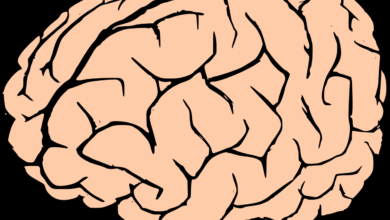


The evolution of human potential is currently undergoing a massive shift from passive biological existence to institutional-grade cognitive orchestration and neural mastery. We are navigating a high-velocity era where the ability to optimize brain function is no longer a luxury for the academic elite but a core requirement for surviving in a complex, data-driven world.
This transition in neurological application requires a sophisticated understanding of neuroplasticity, synaptic density, and the physiological discipline needed to bypass common cognitive biases and mental fatigue.
For the modern professional or high-performance individual, mastering the mechanics of brain health is a fundamental pillar for scaling influence and ensuring that mental assets remain sharp in demanding environments.
Achieving elite cognitive status involves more than just basic memory hacks; it requires a deep dive into neurochemistry, cortical synchronization, and the architecture of preventive neural engineering.
This guide is designed to deconstruct the complex layers of the modern brain ecosystem, providing you with a masterclass in the strategies used to unlock peak mental performance. By focusing on the synergy between technical precision and raw neurological endurance, you can transform your mind into a predictable engine of innovation and clarity.
Let us explore the blueprints of cognitive sovereignty and discover how to build a legacy of mental excellence that thrives in an era of rapid technological acceleration.
The Foundation of Synaptic Plasticity and Learning

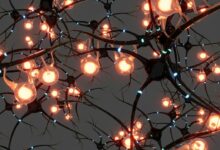





Building an elite cognitive environment starts with the physical structure of your neurons. You must treat your synaptic connections with the same level of professional scrutiny as a high-speed fiber optic network.
A. Neuroplasticity and the Mechanism of Rewiring
The bedrock of mental growth is the brain’s ability to reorganize itself by forming new neural connections throughout life. This process allows the brain to compensate for injury and adjust to new situations or changes in the environment.
By intentionally engaging in difficult tasks, you trigger the growth of these pathways. This physical change is the literal foundation of intelligence.
B. Long-Term Potentiation (LTP) and Memory Consolidation
Learning is not just about taking in information; it is about strengthening the signals between neurons. LTP is the process where repetitive stimulation of a synapse leads to a long-lasting increase in signal strength.
This is why consistent practice is more effective than “cramming.” It builds a permanent architecture for your knowledge.
C. Myelination and the Speed of Neural Transmission
Myelin is the fatty insulation that surrounds your nerve fibers. The thicker this insulation, the faster electrical signals travel through your brain. Activities that require high coordination or deep focus encourage the production of myelin. This increased speed allows for the “flow state” seen in professional athletes and musicians.
Advanced Neurochemical Modulation for Focus
The brain operates on a delicate balance of chemicals that dictate your mood, energy, and ability to concentrate. Mastering this internal pharmacy is essential for sustained performance.
A. Dopamine Pathways and the Reward System
Dopamine is the primary driver of motivation and goal-directed behavior. Modern digital environments often hijack this system, leading to “dopamine crashes” and lack of focus. Strategic modulation involves managing your “cheap” dopamine hits. This ensures your brain stays hungry for meaningful, long-term achievements.
B. GABA and Glutamate: The Balance of Excitation and Inhibition
Glutamate is the brain’s primary excitatory neurotransmitter, while GABA is its primary inhibitory one. Too much glutamate leads to anxiety and “brain fry,” while enough GABA provides the calm needed for deep work. Balancing these two is like tuning a high-performance engine. It prevents burnout while maintaining high output.
C. Acetylcholine and the Mechanics of Attention
This chemical is vital for the brain’s ability to focus on specific tasks for long periods. It acts as a “spotlight,” illuminating the information you are trying to process while dimming distractions. Nutrients found in high-quality fats and eggs support the production of this essential focus molecule.
The Architecture of Brain-Derived Neurotrophic Factor (BDNF)
If neurons are the hardware, BDNF is the high-grade fertilizer that keeps them growing and healthy. Increasing your levels of this protein is a primary goal of neural optimization.
A. Physical Exercise and the BDNF Response
Aerobic exercise is one of the most powerful triggers for BDNF production. High-intensity intervals or steady-state cardio literally wash the brain in growth factors. This is why a morning workout often leads to a day of superior mental clarity. It prepares the brain for new learning.
B. Intermittent Fasting and Cellular Autophagy
Giving the digestive system a break triggers a survival response that clears out damaged brain cells. This process, called autophagy, allows the brain to recycle old components into new, healthy ones. It also stimulates BDNF, acting as a “reset button” for cognitive function.
C. Thermal Stress: Saunas and Cold Exposure
Exposing the body to extreme temperatures forces the brain to adapt. This thermal stress releases heat-shock proteins and increases the expression of BDNF. It builds a more resilient nervous system that can handle the pressures of a high-stakes career.
Circadian Rhythms and the Glymphatic System
Cognitive performance is deeply tied to the quality of your recovery. You must view sleep not as “down time,” but as active maintenance for your neural hardware.
A. The Glymphatic System and Metabolic Waste Clearance
During deep sleep, the space between your brain cells increases. This allows cerebrospinal fluid to wash away metabolic waste like beta-amyloid. If this “trash” isn’t cleared, it leads to brain fog and eventual cognitive decline. Sleep is the primary janitorial service for your mind.
B. Adenosine Management and the Caffeine Cycle
Adenosine is the chemical that builds up in your brain during the day to make you feel sleepy. Caffeine works by blocking adenosine receptors, but it doesn’t remove the chemical. Understanding this “debt” allows you to use stimulants strategically without ruining your sleep architecture.
C. Light Exposure and Melatonin Synchronization
Your brain uses blue light from the sun to set its internal clock. Looking at screens late at night confuses this system and prevents the release of melatonin. By managing your light environment, you ensure that your brain enters deep, restorative states of repair every night.
The Neurobiology of Stress and Cortisol Control
Chronic stress is the primary toxin that destroys neural connections in the hippocampus. Protecting your brain requires a systematic approach to managing the “fight or flight” response.
A. The HPA Axis and Chronic Cortisol Elevation
The Hypothalamic-Pituitary-Adrenal axis is the command center for your stress response. When this stays “on” for too long, high cortisol levels physically shrink the brain’s memory centers. Learning to “down-regulate” this system is a technical requirement for long-term mental health.
B. Vagus Nerve Stimulation and Parasympathetic Dominance
The vagus nerve is the highway that connects your brain to your internal organs. By using deep breathing or specific physical movements, you can manually trigger the “rest and digest” state. This lowers your heart rate and allows the brain to shift from survival mode to creative mode.
C. Meditation and Prefrontal Cortex Strengthening
Regular mindfulness practice has been shown to increase the gray matter density in the prefrontal cortex. This is the part of the brain responsible for executive function and emotional control. It allows you to stay calm and analytical when everyone else is panicking.
Nutritional Protocols for Neural Resilience
What you eat provides the raw materials for your cell membranes and neurotransmitters. A high-performance brain requires high-purity fuel.
A. Omega-3 Fatty Acids and Membrane Fluidity
Your brain is about sixty percent fat. High-quality Omega-3s ensure that cell membranes remain fluid and flexible. This allows for faster signaling between neurons and better nutrient uptake. It is essentially “high-grade oil” for your neural engine.
B. Polyphenols and Mitochondrial Protection
Plant-based antioxidants protect the power plants of your cells from oxidative stress. This prevents “brain aging” and keeps your mental energy levels consistent throughout the day. Dark berries and green teas are excellent sources of these protective compounds.
C. The Gut-Brain Axis and Microbiome Health
A large portion of your neurotransmitters, including serotonin, are produced in your gut. A healthy microbiome ensures that these chemical signals are sent to the brain correctly. Chronic inflammation in the gut leads directly to inflammation in the brain.
Cognitive Load Management and Deep Work
The ability to concentrate on a difficult task is a skill that must be trained. You must protect your limited mental bandwidth from the “attention economy.”
A. Attention Residue and Task Switching
Every time you switch tasks, a portion of your attention stays behind on the previous one. This “residue” makes your brain less efficient. Organizing your day into blocks of deep, uninterrupted work is the only way to achieve high-level cognitive output.
B. The Prefrontal Cortex and Executive Fatigue
Making decisions uses a significant amount of neural energy. This is why you feel tired after a day of meetings even if you haven’t moved. Reducing “minor” decisions allows you to save your executive energy for the big problems that actually matter.
C. Environmental Priming for Focus
Your brain associates specific environments with specific behaviors. By dedicating a particular space only to deep work, you can “prime” your brain to enter a focus state faster. This uses the power of associative learning to bypass procrastination.
Advanced Cognitive Training and Biofeedback
Modern technology allows us to see what is happening inside our brains in real-time. This “quantified self” approach takes the guesswork out of neural optimization.
A. Neurofeedback and Brainwave Entrainment
Using sensors to monitor your brainwaves allows you to train your mind to enter specific states. Whether you need the alpha waves of relaxation or the beta waves of focus, neurofeedback provides a mirror for your mental state. It turns “intuition” into a measurable skill.
B. Nootropics and Cognitive Enhancers
Specific natural and synthetic compounds can temporarily boost memory or focus. While not a replacement for good sleep and diet, these tools can provide an edge during high-demand periods. They should be used with a deep understanding of your own neurochemistry.
C. Dual N-Back and Working Memory Expansion
This specific type of cognitive training has been shown to increase fluid intelligence and working memory. By challenging the brain to track multiple variables at once, you increase its processing power. It is essentially “weightlifting” for your mind.
The Role of Social Connection in Neural Health
Humans are social animals, and our brains require interaction to stay healthy and resilient. Isolation is a significant driver of cognitive decline.
A. Oxytocin and the Buffer Against Stress
Meaningful social interaction releases oxytocin, which naturally lowers cortisol levels. This chemical acts as a “buffer,” protecting your neurons from the damaging effects of external pressure. A strong social network is a biological requirement for longevity.
B. Mirror Neurons and Observational Learning
Our brains are wired to mimic the behaviors of those around us. By surrounding yourself with high-performers, you naturally adopt their mental habits and patterns. This “social molding” is one of the fastest ways to upgrade your own cognitive software.
C. Cognitive Reserve and Social Engagement
Staying socially active as you age builds a “reserve” of neural pathways. This reserve can help the brain maintain function even if some areas are damaged. It is the social equivalent of a diversified investment portfolio for your mind.
Strategies for Long-Term Cognitive Sovereignty
The ultimate goal of neural optimization is to maintain your mental independence and clarity throughout your entire life.
A. Continuous Novelty and the Prevention of Stagnation
The brain thrives on new experiences. Learning a new language, instrument, or skill forces the brain to stay plastic and adaptable. Stagnation is the first step toward decline. Keep your brain “uncomfortable” to keep it young.
B. Metacognition and the Observation of Thought
Learning to “think about your thinking” allows you to identify and correct faulty logic or emotional outbursts. This higher level of awareness is what separates a master thinker from a reactive one. It gives you sovereignty over your own reactions.
C. Biological Data Tracking and Personal Benchmarking
By tracking your sleep, heart rate variability, and cognitive performance, you can identify what works for you. Everyone’s brain is slightly different. Data allows you to move beyond general advice and create a personalized blueprint for your own neural success.
Conclusion

Strategic cognitive performance is the primary key to personal sovereignty in a digital world. This journey requires a disciplined balance of technical knowledge and consistent lifestyle execution.
Every individual must take full responsibility for the governance of their own neural hardware. The ability to optimize your brain offers a revolutionary way to upgrade your life without external reliance. Systemic complexity should be embraced as the mechanism that creates a massive mental advantage.
A successful mind is built on a foundation of deep restorative rest and chemical balance. Continuous learning is the only way to keep pace with the rapid innovation of neuroscience research. Emotional discipline is more important than technical skill when following a strict brain-health schedule.
Rigorous documentation ensures that the cognitive breakthroughs you achieve remain permanent assets. The shift toward a high-performance mental economy is an unstoppable force in the world. By following these strategic blueprints, you position yourself on the right side of the cognitive revolution.
Intelligence is not just about raw power but about the freedom that a healthy brain provides. The systems provided here are your roadmap to navigating the complex world of the human mind.
Focus on the data, ignore the superficial trends, and stay committed to your long-term mental vision. True cognitive sovereignty is the ultimate goal of every elite architect in the field of neuroscience.
The future of humanity is optimized, clear, and ready for those brave enough to master the machine. The road to prosperity is paved with clean neurons, deep sleep, and the courage to think for yourself. Maintaining your brain is a form of respect for the biology that makes your life possible.
Success is measured by the clarity of your thought and the resilience of your mental state. Take control of your neural destiny today by building a mind that is truly your own.